
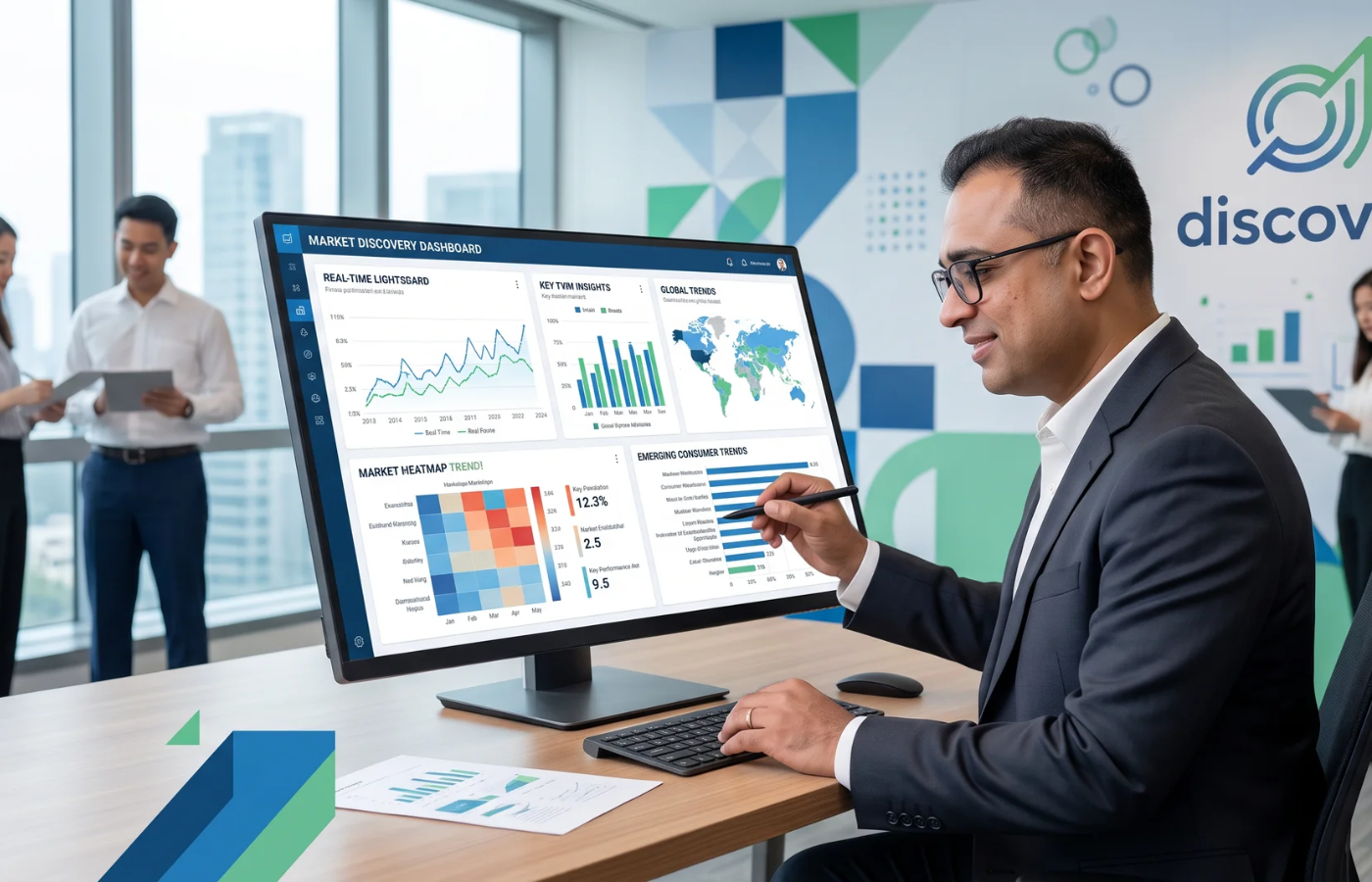
 Agenda now live
Full 2026 agenda, schedule and theatre guide
The Mainstage moves from AI at scale into general-purpose robotics, world models, quantum intelligence and infrastructure for advanced AI systems.
A decision-focused guide to the 29–30 September 2026 event at Sands Expo & Convention Centre, Marina Bay Sands: agenda, speakers, exhibitors, AI, cloud, cybersecurity, data centres, quantum technology, digital sovereignty, startup opportunity and the likely business impact across Singapore and Asia-Pacific.
The official 2026 programme centres on operational integrity, agentic autonomy, enterprise-grade AI, digital sovereignty, quantum readiness, cyber resilience and the physical infrastructure required to scale modern computing across Asia.

Tuesday 29 September and Wednesday 30 September 2026, 09:00–17:00 SGT on both days.
Sands Expo & Convention Centre, 10 Bayfront Avenue, Singapore 018956, at Marina Bay Sands.
The organisers anticipated more than 30,000 participants and announced more than 600 regional and international speakers for the 2026 edition.
“The Infrastructure Era”, focused on the infrastructure powering AI, quantum and emerging technologies.
Mainstage plus Cloud & AI Infrastructure, DevOps Live, Cyber Security World, Big Data & AI World and Data Centre World programmes.
Enterprise technology leaders, architects, engineers, data and cyber teams, infrastructure operators, founders, investors and policy leaders.
Map the sessions, companies and technology themes against your commercial objectives in Singapore and the wider Asia-Pacific market.
Agenda now liveThe Mainstage moves from AI at scale into general-purpose robotics, world models, quantum intelligence and infrastructure for advanced AI systems.
 Day 1 now live
Follow the first-day Mainstage and parallel-track signals from autonomous enterprise AI through physical AI, world models, quantum, data and infrastructure.
 Day 2 now live
The second-day framing shifts toward enterprise-grade operations, governance, cyber resilience, data integrity and hybrid human-AI work.
 Specialist theatres
 address cloud and AI infrastructure, enterprise optimisation, DevOps, cyber resilience, data strategy, data centres, critical infrastructure and energy security.
 Speakers now live
Map Mainstage and specialist-theatre speakers by technology, organisation, buyer role and market relevance.
New emerging-tech research: Robotics & World Models and Quantum Computing examine the physical-AI and next-generation-compute themes in greater depth.
Use the TechStartupHQ briefing to connect event intelligence with startup discovery, enterprise sales, investor targeting, partnerships and international growth.
New Wave 2 research: Responsible AI & Governance and Data Strategy examine the control and data foundations required for production-grade AI.
Infrastructure and software delivery: Cloud & AI Infrastructure examines compute, sovereignty, cloud operations and deployment economics, while DevOps & Platform Engineering examines AI-powered software delivery, DevSecOps, AIOps and platform controls.
Direct answer: the 2026 programme suggests that the technology conversation is shifting from whether enterprises should experiment with AI to how they can operate AI safely, economically and at scale. The event's official framing combines agentic systems, physical AI, quantum readiness, data governance, cyber resilience, cloud architecture and data-centre capacity under the broader idea of operational infrastructure. For founders and technology companies, opportunity is likely to concentrate not only in models and applications, but also in the systems that make them dependable in production.
The Mainstage explicitly describes a transition from assistive AI tools toward autonomous systems that can execute enterprise goals. Cloud & AI Infrastructure Asia reinforces this through sessions on agentic productivity, AI companions, workflow redesign and measurable return on investment. The commercial implication is that buyers may increasingly judge agentic products on integration, observability, permissions, reliability, security and governance, not only model capability. Read the dedicated Agentic AI analysis.
This creates startup opportunities in orchestration, identity, policy enforcement, workflow automation, evaluation, monitoring and domain-specific agent systems. It also raises the evidence bar. A company selling agentic AI into enterprises will need to show what the system is authorised to do, what data it can access, how humans intervene, how errors are detected and how value is measured.
Day One includes a Google DeepMind session on AI for general-purpose robots and an NVIDIA session on the path from foundation models toward world models and quantum intelligence. This signals growing interest in AI systems that interpret and act in the physical world. The relevant startup map therefore expands into robotics, sensors, industrial automation, simulation, computer vision, edge computing, specialised chips and safety systems.
For Singapore and Asia-Pacific, physical AI may be particularly relevant to logistics, manufacturing, ports, healthcare, aviation and urban infrastructure. The event itself does not prove adoption rates in those sectors, but the prominence of these topics makes them useful areas for customer-discovery and partnership research.
Cloud & AI Infrastructure Asia covers sovereign AI, specialised chips, next-generation cloud platforms, multi-cloud operations, FinOps and resilient AI environments. These are distinct commercial categories because model deployment creates constraints around compute availability, cost, latency, data location and operational control. Startups that reduce inference costs, improve resource utilisation, manage heterogeneous compute, optimise workloads or provide specialised infrastructure may therefore address needs below the application layer.
The programme also highlights alternatives to traditional hyperscale architecture and the continuing importance of cloud management. This does not imply hyperscalers lose relevance. It suggests a more fragmented infrastructure stack in which enterprises may combine hyperscale cloud, specialised compute providers, private infrastructure and edge environments according to workload and sovereignty requirements.
Cyber Security World Asia frames AI as both a defensive technology and a potential source of risk. Its theatre themes include next-generation threat hunting, trustworthy AI, cloud security, AI governance within cyber frameworks and quantum threats to cryptographic security. The practical implication is that cybersecurity companies may need to address machine identities, autonomous actions, model supply chains, agent manipulation, data leakage and post-quantum transition alongside conventional controls.
For buyers, AI-security claims should be separated into distinct jobs: protecting AI systems, using AI to improve defence, governing AI use, and preparing cryptographic systems for future quantum risk. Treating all four as one category can hide very different products and implementation requirements.
Big Data & AI World Asia's Data Strategy Theatre focuses on data quality, transparency, governance and operational resilience. Enterprise AI systems inherit the limitations of the data and permissions they rely on. Companies offering data lineage, cataloguing, privacy controls, master data management, synthetic data, evaluation or governance infrastructure can therefore sit upstream of AI adoption rather than compete directly with model providers.
This also explains why responsible AI should not be treated only as a policy topic. In enterprise deployments it can translate into technical requirements around provenance, access control, auditability, explainability, monitoring and escalation. Those requirements may create defensible product categories where regulatory, operational and reputational risk is high.
Data Centre World Asia centres AI scalability, next-generation infrastructure and energy resilience. The programme highlights power availability, cooling, critical infrastructure and energy efficiency because AI workloads can materially increase density and electricity requirements. The commercial opportunity therefore extends into cooling systems, energy management, power electronics, grid interaction, backup power, chips, networking, storage and infrastructure software.
This is strategically important for startup analysis because AI demand can create second-order opportunities far from the visible application layer. A company supplying a component or optimisation layer to data centres may benefit from the same AI investment cycle without competing in foundation models or end-user applications.
Day Two explicitly includes digital sovereignty and regional data integrity. In practice, sovereignty can affect data residency, infrastructure selection, model hosting, cybersecurity requirements and procurement. For international technology companies entering Singapore or other Asian markets, market-entry analysis should include infrastructure and governance requirements alongside buyer demand.
Singapore's role is particularly relevant because it combines a regional enterprise market with extensive cross-border connectivity. The event does not establish that Singapore will be the preferred APAC base for every technology category. It does provide a concentrated view of the questions regional buyers, infrastructure operators and policy leaders are asking now.
The master hub should absorb broad event queries while future children are reserved for materially different decisions. This avoids creating near-duplicate URLs from simple keyword variations and gives each page a clearer reason to exist.
| Cluster | Keyword families to cover | Future child-page intent |
|---|---|---|
| Event navigation | Tech Week Singapore 2026, Singapore Tech Week 2026, dates, venue, registration, tickets, programme, agenda, schedule | Agenda, Day 1, Day 2, venue/registration |
| People & companies | speakers, keynote speakers, exhibitors, companies attending, technology vendors | Speakers and exhibitors |
| AI | AI conference Singapore, enterprise AI, agentic AI, autonomous agents, physical AI, robotics, world models, responsible AI | AI, agentic AI, robotics/world models, AI governance |
| Cloud & software | AI infrastructure, cloud infrastructure, neo-clouds, multi-cloud, FinOps, AIOps, DevOps, platform engineering, DevSecOps | Cloud/AI infrastructure and DevOps |
| Cyber & quantum | cybersecurity Singapore, AI security, cyber resilience, post-quantum security, quantum computing, quantum readiness | Cybersecurity, AI cybersecurity, quantum |
| Data & infrastructure | data strategy, data governance, Data Centre World Asia, AI data centres, GPU infrastructure, cooling, energy efficiency, OCP | Data strategy, data centres, AI data centres, energy/OCP |
| Business impact | future of work, digital sovereignty, APAC technology trends, Singapore startup ecosystem, tech investors, market entry Singapore | Future of work, startups/investors, Singapore ecosystem impact, future trends |
The durable value of Tech Week Singapore is not the schedule itself. Founders and investors should monitor which themes convert into actual procurement, partnerships, infrastructure investment, funding and regulatory change. Useful post-event signals include announced pilots, product launches, customer deployments, data-centre projects, government initiatives, new accelerator programmes and shifts in hiring demand.
TechStartupHQ will treat the event as an evolving research cluster. Event-navigation pages can satisfy immediate search demand, while the longer-lived pages should analyse what changed after the conference and whether the themes produced measurable startup, investor or market-entry opportunities.
Map technologies, vendors, buyers and infrastructure trends against customer acquisition, partnerships, investment, market entry or Singapore expansion objectives.
New Wave 3 guides: Explore Digital Sovereignty and Future of Work for cross-border governance and workforce implications.
For the completed ecosystem-level synthesis of startups, investors, research, corporate innovation and APAC market access, read Singapore Tech Ecosystem Impact.
For the completed post-quantum cryptography, crypto-agility and quantum-safe migration briefing, read Quantum Cybersecurity.
Map technology providers across AI, cloud, cybersecurity, data, DevOps and data-centre infrastructure.
Dates, Sands Expo venue, ticket rules, badges, transport, parking, accessibility and travel planning.
Agentic AI, quantum, sovereignty, hybrid intelligence, security and infrastructure themes interpreted for startups and enterprises.
Day 1 and Day 2 Mainstage tracks, speakers and strategic implications.
Programme-derived takeaways and a 2027+ watchlist across agentic AI, quantum, cyber, data centres, sovereignty and future work.
Enterprise AI, agents, AI-ready data, responsible AI, LLMOps, physical AI and the infrastructure required for production deployment.
Autonomous agents, enterprise workflows, multi-agent systems, state, memory, governance, agentic coding and production-readiness questions.
AI infrastructure, sovereignty, GPU clouds, edge architecture, cloud operations, cost and enterprise deployment requirements.
AI-powered development, platform engineering, DevSecOps, AIOps, agent sandboxes, software supply-chain security and observability.
Cybersecurity research: explore Cybersecurity at Tech Week Singapore 2026 and the dedicated AI Cybersecurity analysis covering AI-assisted defence, AI-related threats, trustworthy AI and agent security.
Data Centre World Asia 2026: hyperscale, power, cooling, resilience, connectivity and APAC infrastructure.
GPU infrastructure, high-density compute, liquid cooling, power strategy and AI-ready facilities.
Connect physical capacity to cloud architecture, AI platforms, edge systems and enterprise deployment.
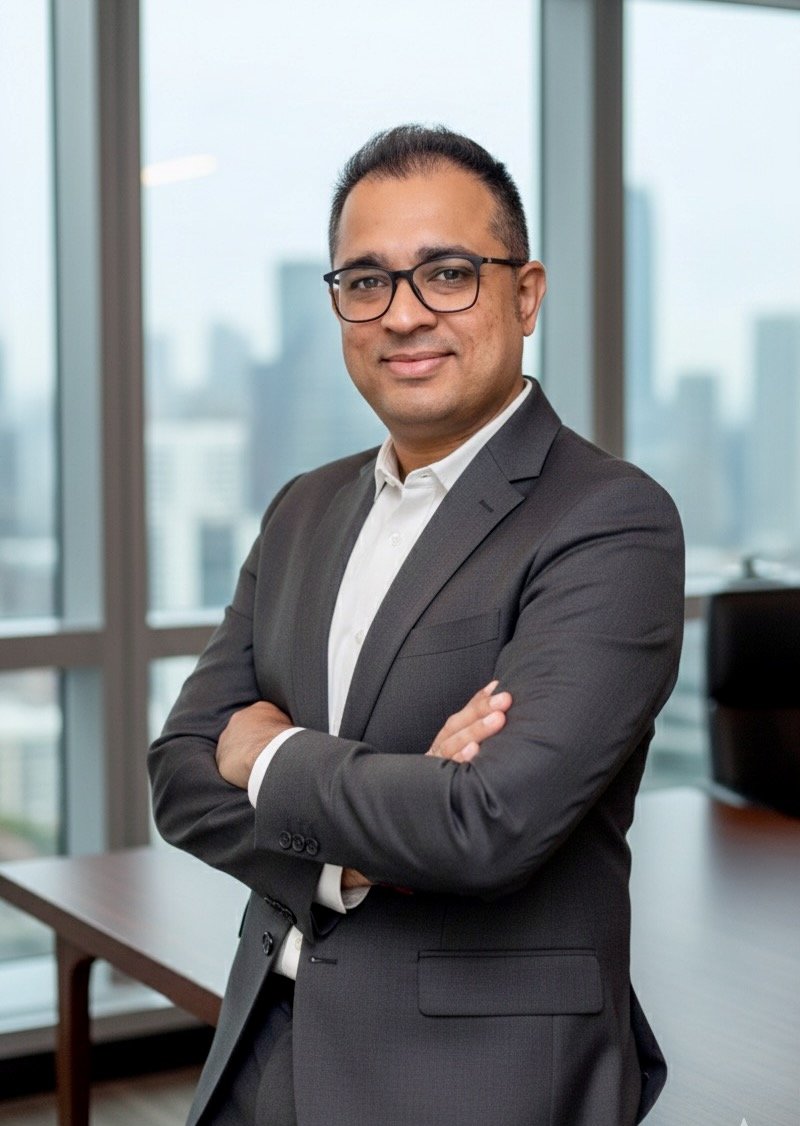
TechStartupHQ is owned by Dr. Rahul Dev under the global corporate structure of Hashchain Consulting Group USA. The platform connects startup, investor, technology and ecosystem research with practical pathways for customer acquisition, partnerships, fundraising and international expansion.
Build a Decision BriefPower, grid, cooling, storage, efficiency and energy resilience for AI infrastructure.
OCP Southeast Asia Tech Day, open hardware, networking, memory, power and cooling.
Founder opportunity, venture capital, enterprise buyers, partnerships and Singapore startup-ecosystem context.
APAC market entry, regional headquarters, enterprise technology demand and commercial growth implications.
Next: how the event connects into Singapore's wider innovation, capital, policy and technology ecosystem.
Browse related guides by topic. These links connect the overview, detailed research and next practical decisions.